Moving to a new country comes with exciting opportunities and real-life challenges—especially when it comes to language. In Switzerland, proving your practical language ability is an important step toward integration. That’s where the fide test comes in. Designed to evaluate real-world communication skills, this exam focuses on how well you can manage daily situations, from visiting a doctor to speaking with local authorities.
If you’re searching for clear and realistic fide test examples, this guide will walk you through what to expect and how to prepare with confidence.
Understanding fide test examples and Real-Life Tasks
The fide test was developed on behalf of the State Secretariat for Migration (SEM) to assess language skills at levels A1 to B1. Unlike traditional grammar-heavy exams, this assessment focuses on practical communication in everyday Swiss life.
The test is divided into two main parts:
- Oral Section (Speaking & Comprehension) – 40 minutes
- Written Section (Reading & Writing) – 60 minutes
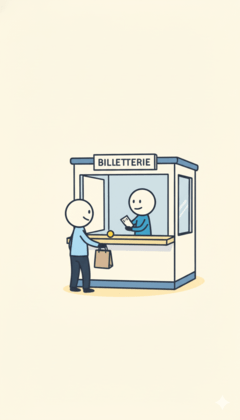
In the speaking portion, you may be asked to role-play common scenarios. For example, you might simulate scheduling a medical appointment, asking for information at the local municipality, or discussing work-related topics. These fide test examples are structured to measure how naturally and clearly you can communicate.
The written section includes reading short texts such as emails, public notices, or appointment reminders. You may then respond in writing, perhaps by completing a form or drafting a simple message.
The goal is not perfection—it’s practical understanding and communication.
How fide test examples Reflect Everyday Life in Switzerland
What makes this exam unique is its connection to daily Swiss experiences. Instead of abstract exercises, the scenarios mirror real responsibilities and interactions.
For instance, a typical speaking task might involve:
- Explaining a housing issue to a landlord or describing symptoms during a doctor’s visit.
Written tasks may ask you to read a short announcement about community services and answer related questions. These activities ensure that candidates can function independently in society.
Anyone over the age of 16 can register for the test. Individuals with disabilities are also welcome, and special arrangements can be coordinated between the examination institution and the fide office. Flexibility is part of the system’s inclusive approach.
Registration must be completed at least 15 days before your chosen test date through an official examination institution. Candidates can choose to take the entire test or only one section—oral or written—depending on their needs.
Costs, Timing, and Results
The complete test costs CHF 250. If you prefer to take only the oral part, the fee is CHF 170. The written portion alone costs CHF 120.
After completing the exam, results are sent by post approximately four weeks later. During peak winter periods, it may take up to six weeks. Along with your results, you will receive your Language Passport, which officially documents your language level.
It’s important to note that results are not given over the phone, so patience is essential.
Smart Preparation Strategies Using fide test examples
Preparation does not need to feel overwhelming. One of the most effective methods is reviewing the official model test available for download. Practicing sample tasks helps you understand the format and timing.
You can also register for a mock speaking exam to simulate real conditions. This builds confidence and reduces anxiety on test day.
If you already possess language skills at B1 level or higher, you may consider applying for a fide dossier instead. This option recognizes existing competencies and may streamline the certification process.
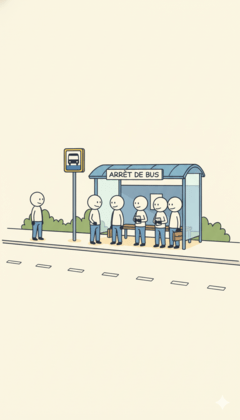
Consistent practice in everyday conversations—such as speaking with neighbors, reading local notices, or writing short emails—can significantly improve performance. The key is steady exposure rather than last-minute cramming.
Conclusion: Confidence Through Practical Preparation
The fide test is more than an exam—it’s a reflection of your ability to participate in everyday Swiss life. By reviewing realistic fide test examples, understanding the structure, and practicing consistently, you can approach the assessment with clarity and confidence.
Remember, the focus is communication, not perfection. With preparation, patience, and persistence, you’ll be ready to demonstrate your language skills and take the next step toward successful integration in Switzerland.