Parfum has long been associated with elegance, identity, and emotional expression. From ancient civilizations to modern luxury boutiques, parfum continues to hold a powerful place in personal grooming and cultural tradition. Unlike lighter fragrance forms, parfum contains the highest concentration of aromatic oils, making it more intense, longer-lasting, and deeply expressive. It is not merely a cosmetic product; it is an invisible signature that tells a story without words.
The Origins of Parfum
The word parfum originates from the Latin phrase per fumum, meaning “through smoke.” Early civilizations used aromatic resins and oils in religious ceremonies, believing scent connected the earthly world to the divine. Over centuries, parfum evolved from sacred ritual to royal indulgence and eventually to a widely appreciated art form.
Ancient cultures refined techniques of distillation and extraction, enabling more complex scent compositions. As trade routes expanded, rare ingredients like oud, sandalwood, amber, and exotic florals became highly prized. The craftsmanship behind parfum gradually transformed into a sophisticated blend of science and artistry.
What Makes Parfum Unique?
Parfum stands apart from other fragrance types due to its high concentration of fragrance oils, typically ranging between 20% and 30%. This concentration gives parfum remarkable longevity, often lasting eight hours or more on the skin. Because it contains less alcohol than lighter variations, parfum tends to feel smoother and more luxurious.
The depth of parfum also allows for a richer scent journey. Fragrances are composed of three layers:
- Top notes: The first impression, often fresh or citrusy.
- Heart notes: The core personality of the scent, usually floral or spicy.
- Base notes: The foundation, often warm, woody, or musky.
In parfum, these layers unfold gradually and gracefully, creating a multi-dimensional experience.
The Emotional Power of Parfum
Scent has a direct connection to memory and emotion. A single spritz of parfum can instantly evoke nostalgia, confidence, romance, or comfort. Because of this powerful psychological impact, choosing a parfum becomes a personal and meaningful decision.
Many people select parfum based on personality traits or mood. A bold, spicy parfum may reflect strength and ambition, while a soft floral blend might express elegance and sensitivity. Some individuals even maintain a fragrance wardrobe, selecting different parfum options for work, evenings, or special occasions.
Ingredients and Craftsmanship
Creating a high-quality parfum requires precision and expertise. Natural ingredients such as jasmine, rose, patchouli, and vetiver are often blended with carefully designed synthetic molecules to enhance stability and projection. The blending process can take months or even years to perfect.
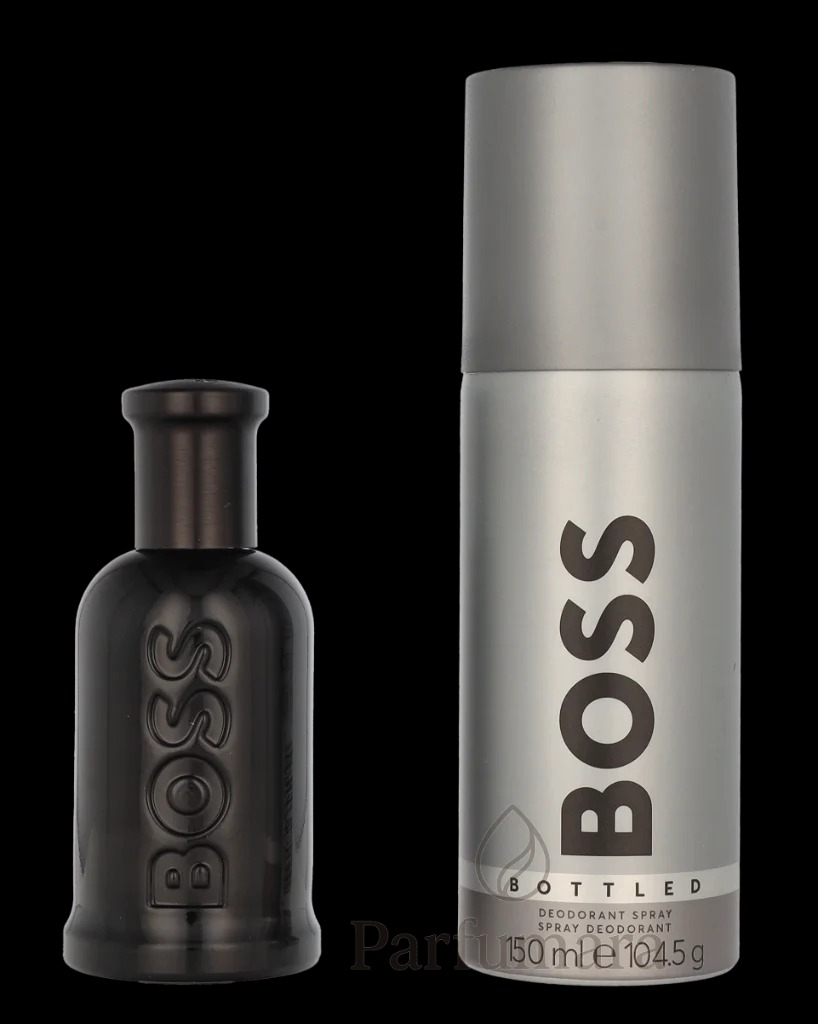
Artisans carefully balance intensity, harmony, and uniqueness. Too much of one note can overpower the composition, while too little may make the scent forgettable. This delicate craftsmanship is what transforms raw ingredients into an unforgettable parfum.
How to Apply Parfum Properly
Applying parfum correctly enhances its performance and longevity. It is best applied to pulse points such as the wrists, neck, and behind the ears, where body heat helps diffuse the fragrance. Avoid rubbing the skin after application, as friction can alter the scent structure.
A small amount is usually sufficient due to its concentration. Overapplication may overwhelm both the wearer and those nearby. When stored in a cool, dark place, parfum maintains its integrity for years.
Parfum in Modern Culture
Today, parfum represents more than luxury; it symbolizes identity and individuality. Niche fragrance houses are gaining popularity, offering unique compositions that stand apart from mass-market options. Consumers increasingly seek sustainable ingredients and ethical sourcing, pushing the industry toward innovation.
The global fascination with parfum continues to grow, blending tradition with contemporary creativity. From minimalist bottle designs to bold scent experiments, parfum remains a dynamic and evolving art form.
Conclusion
Parfum is far more than a pleasant aroma—it is a powerful expression of personality, culture, and artistry. With its high concentration, lasting presence, and emotional depth, parfum holds a unique position in the world of fragrance. Whether chosen for daily wear or special moments, parfum leaves an invisible yet unforgettable mark. Its timeless allure ensures it will remain an essential part of human expression for generations to come.